Facility Robotics & Automation
Automate the labor you cannot keep staffed
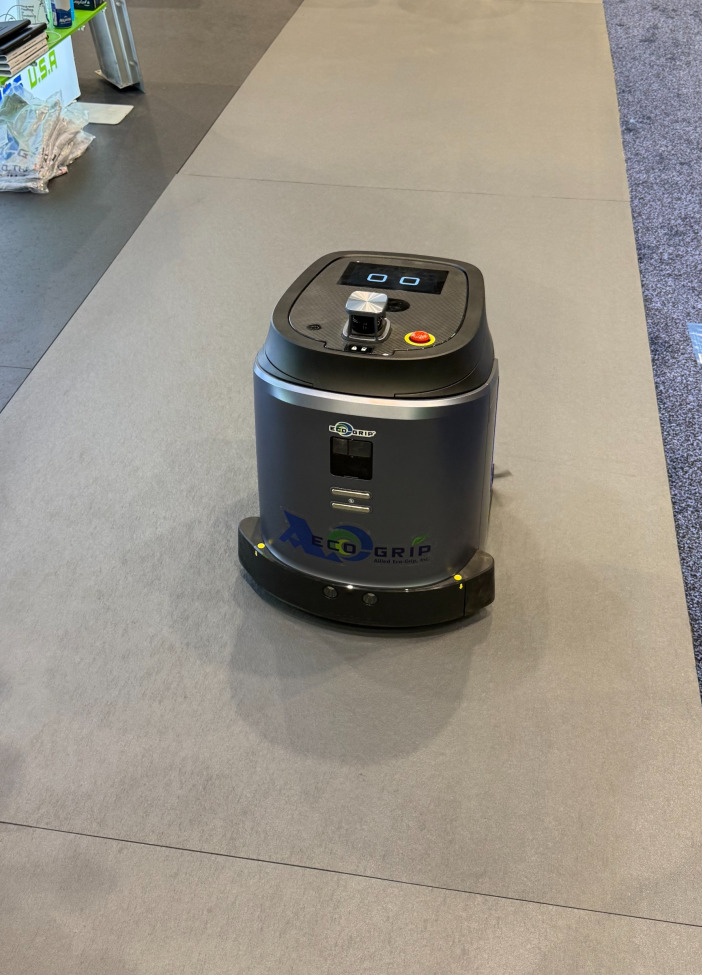
Lowbotics brings autonomous cleaning, delivery, and service robotics into everyday facility operations — covering the repetitive work that is hardest to hire for and easiest to lose money on. MLSpec specifies it against your actual floor, pilots it at one site, and scales it only when the numbers hold.
The problem
Where the hours disappear
Closing tasks get skipped
Floor care is the last job of the night and the first one cut when a shift runs short. The result is a slow decline in condition that nobody signs off on.
Turnover eats the training
The repetitive roles are the hardest to retain. Every departure resets the training clock on work that never changes.
No record of what got done
Without coverage data, cleaning quality is an argument between a manager and a checklist. Ownership sees the outcome, not the input.
How it works
A pilot-first rollout
- 1
Task and floor assessment
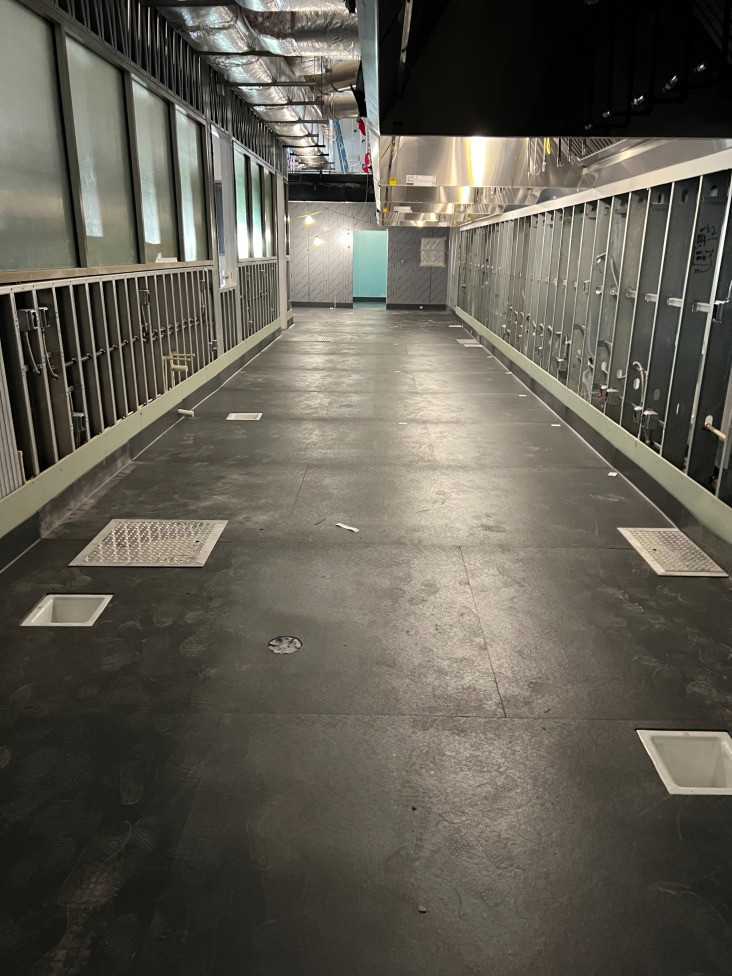
We identify which job is worth automating and confirm the surface can actually support autonomous equipment — flatness, seams, drainage, obstacles.
- 2
Unit selection and mapping
The right unit is matched to the task, then the facility is mapped with routes, exclusion zones, and dock locations.
- 3
Single-site pilot
One location, one job, measured against the labor hours it replaces. Coverage and utilization data comes back weekly.
- 4
Scale on evidence
If the pilot holds, the fleet expands site by site with the same deployment playbook. If it does not, you stop at one unit.
Benefits
What automation returns
Labor cost relief
Reclaims hours spent on floor care and running, and redeploys staff to guest-facing work.
Consistent overnight operation
Runs on schedule every night, whether or not the shift ran short.
Reporting ownership will read
Coverage and utilization data per unit, per site — evidence instead of assurances.
Specified with the floor
Deployed alongside flooring and drainage so the surface supports the equipment.
Right unit for the task
Cleaning, delivery, and service platforms matched to the job rather than sold as one box.
Pilot before fleet
Unit economics proven at one location before a multi-site commitment.
Specifications
Deployment details
| Platform types | Autonomous floor cleaning, delivery and runner, and service/host robotics |
|---|---|
| Environments | Restaurants, hotels, warehouses, and large-format retail with shared human traffic |
| Navigation | Facility mapping with defined routes, exclusion zones, and obstacle detection |
| Power | Dock-based charging with scheduled autonomous run cycles |
| Floor requirements | Flat, continuous, well-drained surface; grout lippage and standing water degrade performance |
| Reporting | Per-unit coverage, run time, and utilization data |
| Rollout model | Single-site pilot, measured against replaced labor hours, before fleet expansion |
| Support | Service and escalation arranged at deployment; MLSpec remains the point of contact |
Specific models, runtimes, capacities, and cleaning widths are confirmed against current manufacturer documentation once the task and site are defined.
Where it fits
Best-fit operations
- Multi-unit restaurant groups
- Hotels and resorts
- Casinos and entertainment venues
- Distribution and warehouse floors
- Large-format and grocery retail
- Corporate campuses and cafeterias
- Healthcare support services
- Stadiums and convention centers
Compliance
Operating in a regulated space
Autonomous equipment shares floor space with staff, guests, and inspectors. Routes and docking locations have to respect egress paths, sanitation zones, and life-safety clearances — a charging dock in the wrong corridor is a citation waiting to happen, regardless of how well the unit performs.
MLSpec reviews deployments against those requirements in your jurisdiction before the first unit runs, and documents where the equipment lives, where it travels, and where it is prohibited.
Questions
Lowbotics FAQ
Pilot one unit before you buy a fleet
Tell us the task you cannot keep staffed and the site you would test it at. We will tell you whether your floor supports it and what a measurable pilot looks like.
Email MLSpec